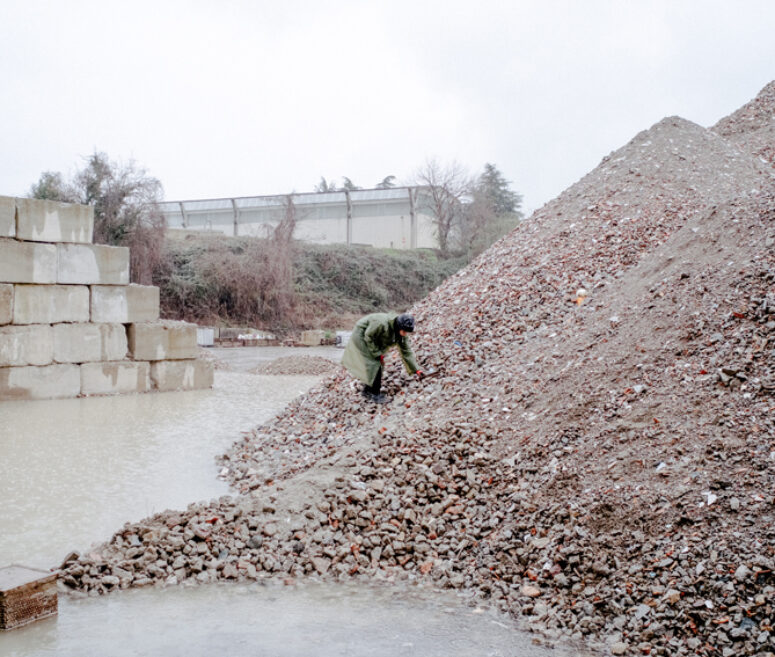
In the Western context, the term “nature” has taken on multiple meanings over time. In medieval Europe, the material world was understood as a reflection of the divine, although a pre-Christian view of matter as dynamic and changeable remained. Landscapes, plants, stones, and sacred objects were deemed animated, capable of protecting or harming human beings. The boundaries between subject and object were therefore permeable, as both participated in a system of mutual relations and transformations. With the emergence of modernity, however, a conception of the human being as distinct from the natural world, and of nature as an autonomous and separate realm, came to the fore.